

Digital Maturity indicates the relative development of a company and organization’s competency in key areas to establish present-day standing and help identify opportunities for improvement and priorities for investment.
This is usually accomplished running a Digital Maturity Diagnostic to determine whether an organization is lagging, competitive or leading based on a set of factors: e.g. Digital Strategy, Leadership and Culture, Digital Skills, Customer Centricity, Technical Competencies, Data & Data Analytics, Project Delivery, etc.
Academic researchers and consulting outfits have developed the models, and then applied them to large pools of organizations to determine relative maturity by company, sector, geography, etc. Many provide a set of results by category and a combined score.
Digital Maturity Reports are enormously useful tools to help business executives map where they stand in the innovation race relative to their peers, identify gaps and opportunities, throttle investment, and track progress along the digital journeys.
Examples of Digital Maturity Models:
McKinsey Digital Quotient
The EY Digital Readiness Assessment
TM Forum’s Digital Maturity Model
Deloitte Digital Maturity Model
Running a Digital Maturity Assessment is a pragmatic and practical guiding step to start the development of a Digital Transformation Strategy.
Originally posted November 2019
Updated June 2020
More on Digital Maturity

The Hard Job of Driving Value from AI
Generative AI arrived quickly, with bold promises dominating headlines. But anyone who has lived through past technology shifts knows the real story: the hard job of driving value is not proving it can work –…
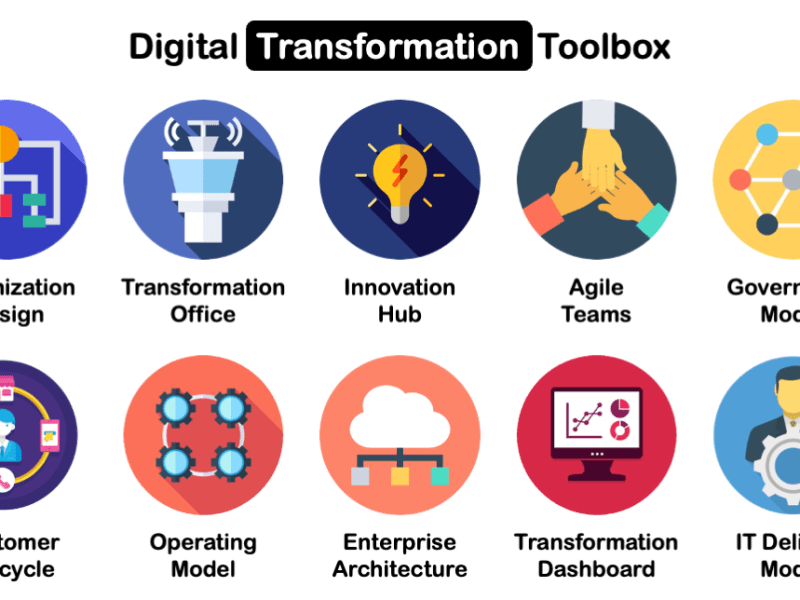
Transformation Strategy: An Execution Toolbox
Digital intensity and transformation management intensity influence revenue growth and profitability in different ways. This toolbox equips leaders to integrate superb transformational execution with their digital strategy, enabling them to achieve up to 26% greater…
The New Elements of Digital Transformation
The team behind The Digital Advantage: How Digital Leaders Outperform their Peers in Every Industry and The Nine Elements of Digital Transformation reflected on their influential research after surveying 1300 executives in more than 750…

Digital Transformation Is Not About Technology
Most business executives think – often reflected by who they bring to the room when you discuss the topic with a CEO – that Digital Transformation is about technology. It is not. Certainly, top notch…

Digital Maturity
Digital Maturity indicates the relative development of a company and organization’s competency in key areas to establish present-day standing and help identify opportunities for improvement and priorities for investment. This is usually accomplished running a…
 Digital Transformation: A Framework